
Choosing the Right Nitrile Gloves for Safety
Choosing the right nitrile gloves is crucial for safety in various settings. These gloves are a popular choice due to their durability and versatility.
Made from synthetic rubber, these gloves offer a latex-free alternative. This makes them ideal for individuals with latex allergies.
They provide excellent resistance to punctures and chemicals, ensuring reliable protection. Nitrile gloves are commonly used in medical, food handling, and industrial environments.
Their availability in different thicknesses allows for tailored durability and sensitivity. This makes them suitable for a wide range of applications.
In this guide, we will explore the benefits, uses, and considerations for selecting the right nitrile gloves. Let’s ensure safety and efficiency in your work environment.
What Are Nitrile Gloves?
Nitrile gloves are made from synthetic rubber known for its strength and versatility. They offer a latex-free option, making them an ideal choice for those with allergies. These gloves are widely appreciated for their high level of puncture and chemical resistance.
The construction of these gloves allows them to withstand harsh chemicals, oils, and solvents without degrading. This resilience makes them indispensable in many industries. Nitrile provides a strong yet flexible barrier, ensuring safety and comfort during use.
These gloves come in a variety of options to suit different needs:
- Powder-free and powdered versions
- Available in different thicknesses and sizes
- Both sterile and non-sterile variants
- Colored options for easy color-coding
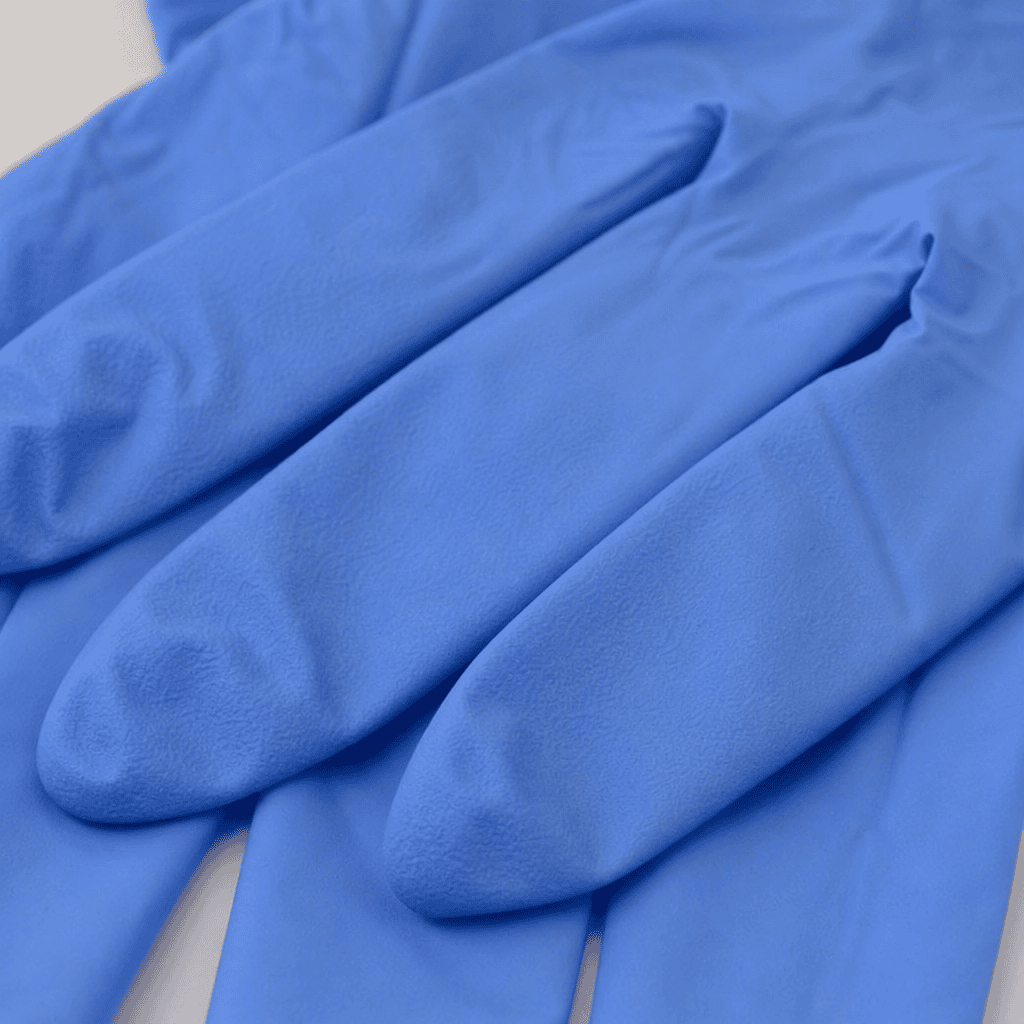
Their adaptability to various environments, from medical to industrial, showcases their reliability. These gloves serve as essential protective gear, preventing cross-contamination and maintaining hygiene in numerous settings.
Key Benefits of Nitrile Gloves
Nitrile gloves offer unmatched protection and versatility, making them a popular choice across various sectors. They are well-regarded for their durability and resistance to punctures. This makes them a reliable option for many applications.
Their chemical resistance sets these gloves apart from other types of disposable gloves. They can handle exposure to oils, acids, and even some solvents without compromising their integrity. This feature makes them suitable for use in the healthcare, industrial, and food handling fields.
Comfort is another significant benefit of these gloves. They provide excellent tactile sensitivity, allowing users to maintain dexterity. This aspect is crucial in environments where precision is necessary.
Key benefits of nitrile gloves include:
- High resistance to chemicals and punctures
- Latex-free alternative for allergy sufferers
- Excellent fit and tactile sensitivity
- Widely available in various sizes and thicknesses
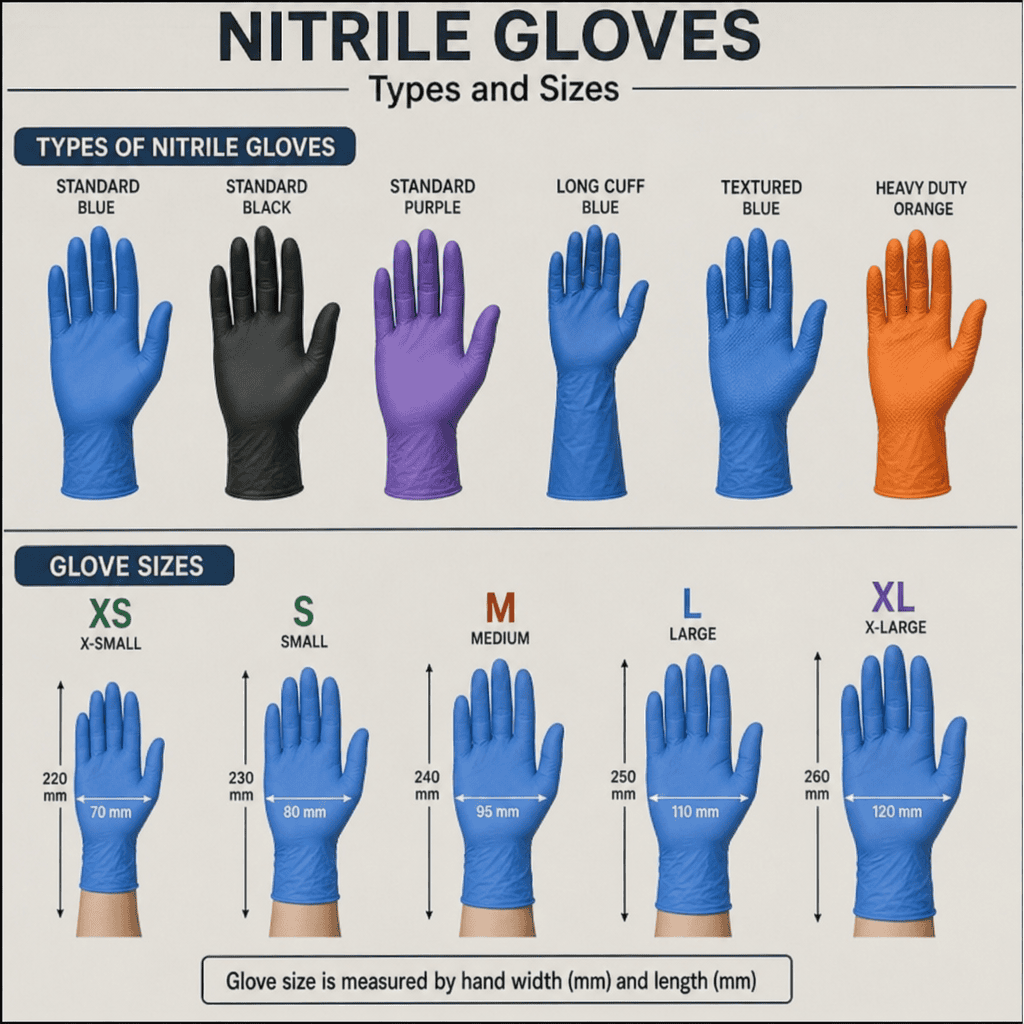
Furthermore, these gloves are widely available and cost-effective. Their disposable nature promotes hygiene, reducing the risk of cross-contamination. This makes them indispensable tools in maintaining safety and cleanliness across multiple industries.
Nitrile Gloves vs. Other Disposable Gloves
When comparing disposable gloves, nitrile stands out for its durability and chemical resistance. Unlike latex gloves, nitrile gloves are synthetic and ideal for those with latex allergies. This makes them a preferred choice in sensitive settings like healthcare.
Vinyl gloves are another alternative, often used for short-term, low-risk tasks due to their affordability. However, they lack the strength and puncture resistance of nitrile. For tasks requiring reliable protection, these gloves are more dependable than vinyl.
Let’s contrast these gloves based on some key characteristics:
- Puncture Resistance: Nitrile > Latex > Vinyl
- Chemical Resistance: Nitrile > Latex ~ Vinyl
- Allergy Risk: Nitrile and Vinyl (Low) > Latex (High)
- Cost: Vinyl < Nitrile < Latex

by Anton (https://unsplash.com/@uniqueton)
While both latex and nitrile gloves offer excellent tactile sensitivity, these gloves provide added protection against a broader range of chemicals. This makes them favorable for applications where exposure to hazardous substances is a concern.
Applications of Nitrile Gloves Across Industries
Nitrile gloves have become essential in diverse industries due to their protective features. They offer superb chemical resistance, making them invaluable in healthcare settings where safety is paramount. In hospitals, these gloves are frequently used to guard against bloodborne pathogens and infectious materials.
In the food industry, nitrile gloves meet FDA standards, ensuring they can safely handle both raw and cooked foods. Their powder-free design prevents food contamination, maintaining high hygiene standards. This feature makes them the top choice for food handling and preparation.
Within industrial settings, these gloves provide a robust barrier against oils, solvents, and chemicals. This property is especially beneficial in automotive, mechanical, and chemical industries. The gloves protect employees from potentially harmful substances, ensuring a safer work environment.
Here’s how different industries utilize these gloves:
- Healthcare: Protect against pathogens
- Food Handling: Meet FDA standards
- Industrial: Guard against chemicals
- Automotive/Mechanical: Resist oils and solvents
These gloves are also prevalent in beauty salons and tattoo parlors due to their resistance to dyes and pigments. Their multi-industry application underscores their reliability and versatility as safety tools.
Choosing Nitrile Gloves for Food Handling
Selecting the right nitrile gloves for food handling is crucial for maintaining cleanliness and safety. These gloves offer an excellent barrier against contaminants. When dealing with food, it’s vital to choose gloves that are powder-free. This ensures that no residue is left behind on food items, protecting both the consumer and the food itself.
Gloves for food handling must be durable enough to prevent tears while handling various foods and utensils. Look for gloves that provide both strength and flexibility, enhancing the user’s ability to perform tasks efficiently. The snug fit of these gloves helps reduce slipping and improves task precision.
Consider these factors when choosing these gloves for food handling:
- Powder-free: Prevents food contamination
- Durability: Resists tearing
- Snug fit: Ensures secure handling
- Flexibility: Allows for easy movement
Using these gloves in food handling aligns with FDA standards. They protect against allergens, promoting a safe and hygienic food preparation environment.

by Trường Trung Cấp Kinh Tế Du Lịch Thành Phố Hồ Chí Minh CET (https://unsplash.com/@ceteduvn)
Understanding Accelerator Free Nitrile Gloves
ACCELERATOR-FREE GLOVES are crafted without the chemicals that often cause allergic reactions. These gloves are essential for users with sensitive skin, offering a safer option. Traditional gloves may have accelerators, but these can irritate the skin upon contact.
The absence of chemical accelerators in these gloves doesn’t compromise their protective qualities. They maintain the strength and durability needed for various tasks. This makes them ideal for anyone requiring long-term glove use, like those in healthcare or laboratories.
Key features of accelerator-free gloves include:
- Hypoallergenic: Reduces the risk of allergies
- Chemical-free production: Ensures safer use
- Strong and durable: Provides reliable protection
- Comfortable fit: Allows extended wear
Using accelerator-free gloves not only ensures safety but also enhances comfort during wear. This makes them an excellent choice for individuals frequently using gloves in their daily tasks.
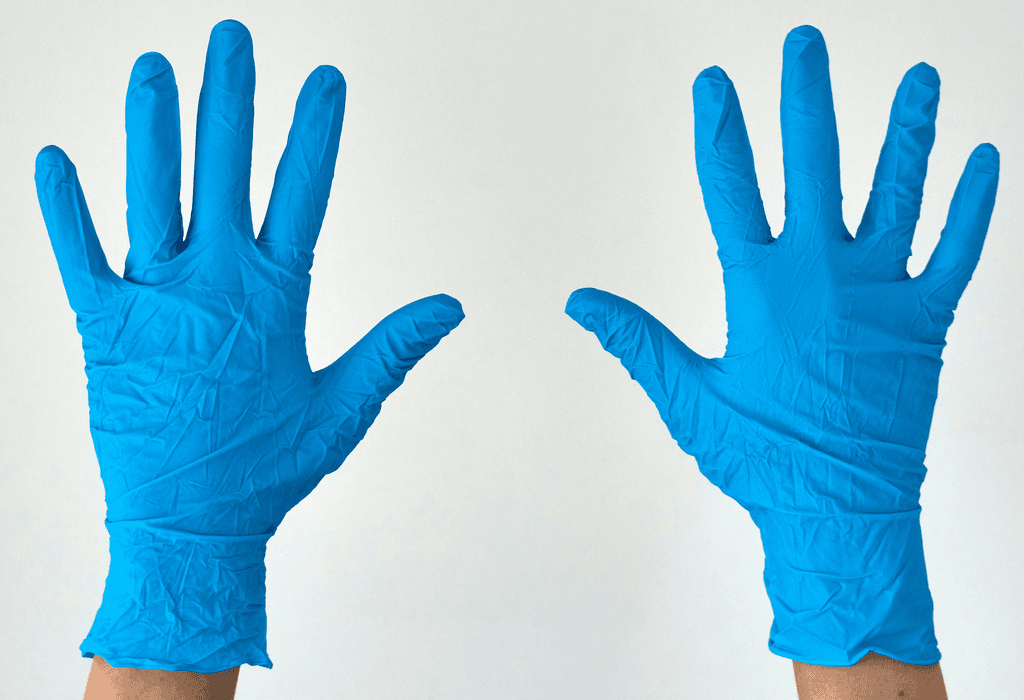
by Anton (https://unsplash.com/@uniqueton)
How to Select the Right Nitrile Gloves for Your Needs
Selecting the right nitrile gloves can feel daunting given the choices available. It’s crucial to consider your specific requirements to make an informed decision. These gloves vary in thickness, size, and special features like accelerator-free options.
First, assess the environment in which the gloves will be used. Thicker gloves offer more protection, making them ideal for harsh environments or when handling chemicals. On the other hand, thinner gloves provide enhanced dexterity, suitable for tasks requiring precision.
Next, consider any potential allergies that may influence your choice. Opting for latex-free gloves addresses latex allergy concerns. For sensitive skin, accelerator-free gloves are a preferable choice.
Consider these factors when choosing these gloves:
- Thickness: Choose based on needed protection level
- Size and Fit: Ensure comfort for extended use
- Allergy Concerns: Consider latex and chemical sensitivities
- Usage Environment: Match glove features to specific tasks
Keep in mind that choosing the appropriate glove type maximizes both safety and comfort. Always keep your specific needs in mind when making a selection.

by 3DVISU (https://unsplash.com/@3dvisu)
Proper Use and Disposal of Nitrile Gloves
Proper use of nitrile gloves is crucial for maintaining hygiene and safety standards. Always start by washing your hands thoroughly before donning gloves. This step helps prevent contaminants from transferring to the gloves’ outer surface. Ensure a snug fit to minimize slipping, offering better protection during tasks.
Equally important is knowing how to dispose of these gloves correctly. Incorrect disposal poses a threat to the environment and public health. After use, remove gloves carefully to avoid skin contact with contaminants. Dispose of them in designated waste bins, preferably marked for hazardous materials.
Here are some key steps for using and disposing of these gloves:
- Wash hands before wearing
- Ensure proper fit to enhance protection
- Remove without contacting contaminated surfaces
- Dispose of responsibly in marked bins
By adhering to these guidelines, you help sustain a healthier environment and ensure personal safety.

by Anton (https://unsplash.com/@uniqueton)
Frequently Asked Questions About Nitrile Gloves
When it comes to nitrile gloves, many questions arise regarding their use and benefits. One common query is about their resistance to chemicals. These gloves offer excellent resistance, protecting against various substances like oils, acids, and more. This feature makes them a preferred choice in many industrial settings.
Another frequent question concerns their suitability for people with latex allergies. These gloves are latex-free, making them an ideal alternative for allergic individuals. They provide a safe and comfortable wearing experience.
Here are some top FAQs:
- Are nitrile gloves suitable for sensitive skin?
- How do nitrile gloves compare to latex gloves?
- Can they be used in food handling?
- Are they biodegradable?
Understanding these aspects helps users make informed decisions when selecting these gloves for different applications.
Conclusion: Making the Safe Choice
Nitrile gloves stand out as a top choice for safety across various sectors. From healthcare to food handling, they offer unparalleled protection and comfort. Their resistance to chemicals and punctures enhances user safety significantly.
When choosing nitrile gloves, consider factors like thickness, fit, and whether accelerator free versions are needed. Making an informed choice ensures optimal safety and efficiency in every application. Embrace these gloves as a reliable solution for both professional and personal use, ensuring safety is never compromised.
Planning a larger order? Review our bulk nitrile glove buying guide for supplier evaluation, order planning, and pricing considerations.